Hello!
I'm Carsten,
full-stack mobile freelancer
specialized in iOS, Mobile App Security,
Django and AWS.
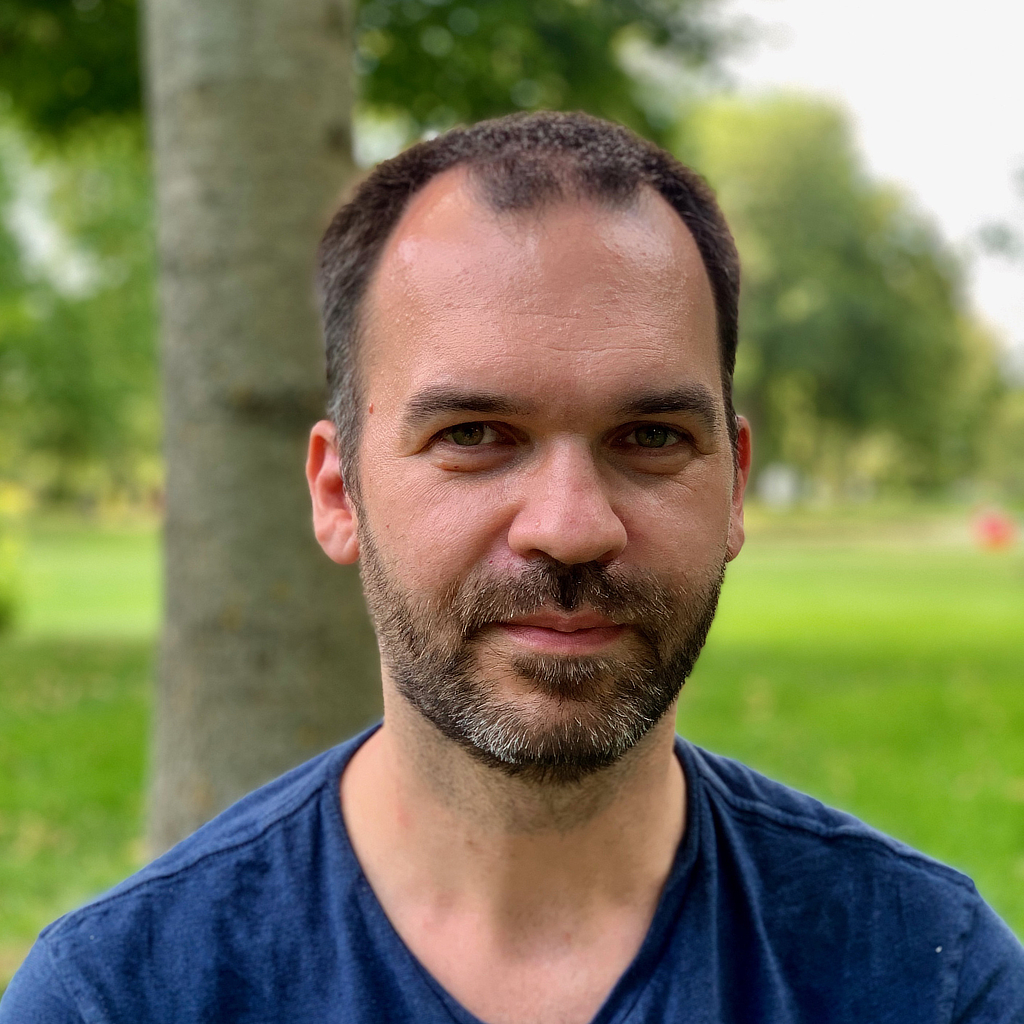
I'm Carsten,
full-stack mobile freelancer
specialized in iOS, Mobile App Security,
Django and AWS.
I've been into professional software development since 2009 with focus on mobile apps in iOS and experience in various industries (travel, gaming, enterprise consulting).
Working in solo environments as well as larger teams I have been in all kinds of company sizes and types such as agencies, start ups and enterprise.
 iOS
iOS
 Swift
Swift
 Amazon Web Services
 Django
 Python
A selection of previous projects and work.
Design, Development & Testing of Development of the German Corona warning app (CWA)with focus on automation and data security/cryptology.
Due to the Open Sourcenature of this project all contributions can be found online.
Design, Development & Testing of new products to access & maintain the new generation of “Packstation” pick-up locations (iPhone and iPad)
Design, Development & Testing of a new banking product (iPhone and iPad). Defining and implementing common standards in cross-functional teams
As DevOps engineer I helped the client to deploy multi cloud infrastructure in a compliance-critical environment. Design, development and deployment was realized via tested units of Terraform modules ('blueprints'). The testing was implemented in InSpec with additional Azure SDK-based tests in RSpec.
Research spike to explore future usage of HealthKit and Siri capabilities (via SiriKit and Siri Shortcuts) for the FiTS app. Focus on HealthKit was reading and using existing data to personalize the user experience without the need of submitting data to a remote server.

Architecture requirements assessment & interface design between corporate backend(s) and SAP HANA. Design and development of prototype and showcase apps. Enabling other teams for mobile prototype develop- & deployment.
Technical lead of the Berlin office. Worked with various customers in Berlin, Melbourne and New York. Worked on projects in the fields of IoT, Augmented Reality, Social Networks and others. Managed cross-functional teams. Technical evangelist for iOS related topics.
Research sprint for a supporting application of a medical deviceto monitor blood sugar levels. Focus was on research ways to reliably contact care persons (e.g. parents) on their mobile device when the measured blood values exceed a certain threshold. Another task was laying groundwork (serverless environment via Parse) for a hand-over to the Two Bulls colleagues to implement the app.
Development of an iPad app for an interactive installation to be used by potential students in
the stores. Users 'picked' courses via a gesture on a TV screen and threw them towards
an iPad located next to the installation. The devices were used to provide further information
and pick up required information from the students.
Blog
postand Demo.

Main developer of the native iOS app (version 3.x) and in-house consulting for mobile related topics, such as app life cycle and mobile UX. Also, setup of an automated translation workflow based on Fastlane in conjunction with translators and copywriters.
First real native mobile developer in the company. Tasks included building of native components and games including Tribal Wars 2 & Grepolis. Designed and developed multi-project payment framework for mobile games. Candidate assessments.
Private project app to display, search and bookmark exoplanets based on the NASA Exoplanet Archive. Showcase and playground for iOS technologies.
Feel free to get in contact or follow me at these places
Copyright © Carsten Knoblich 2024 Imprint. Data Privacy.
